

Shop our collection

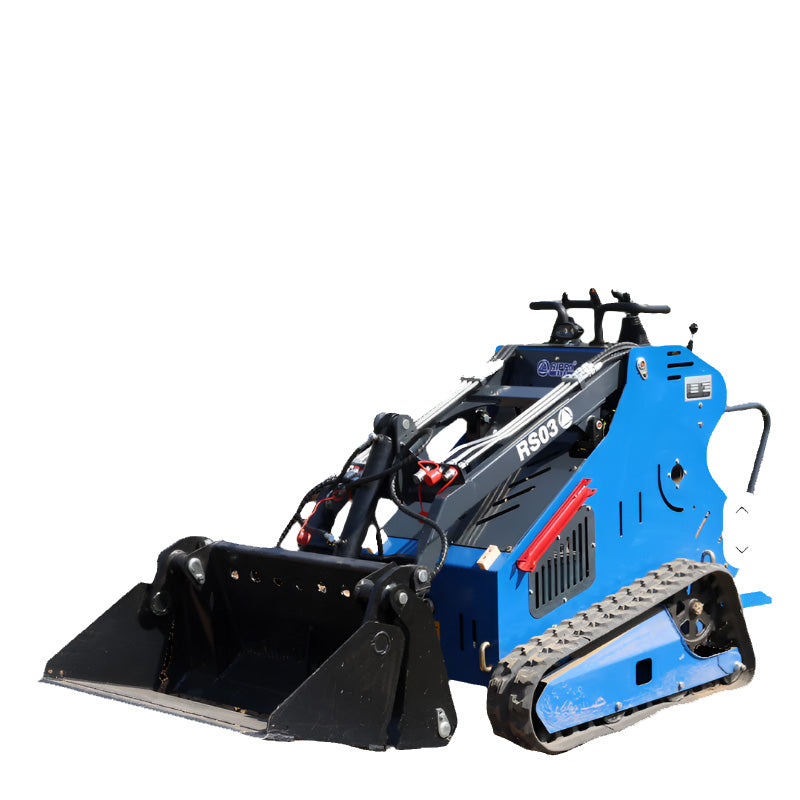
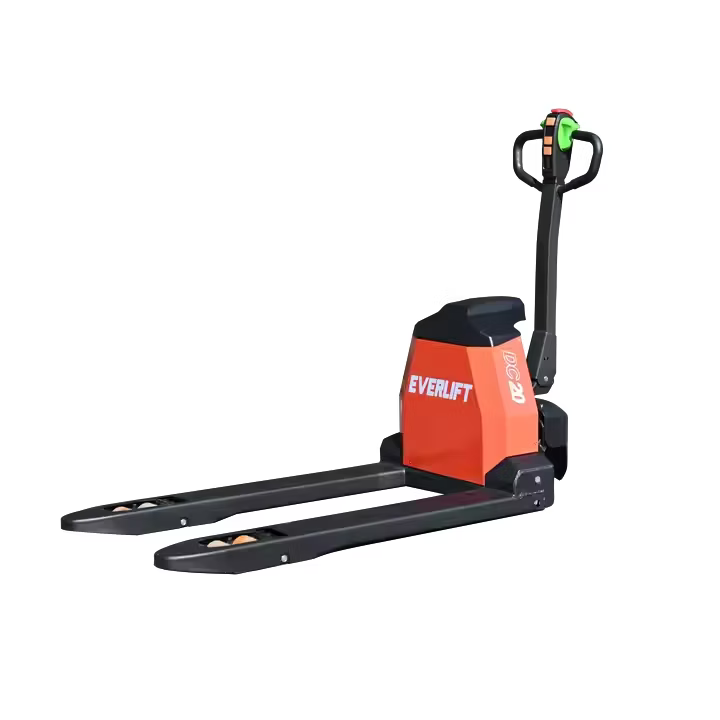
Shop Attachments


Blog Posts

Heavy-Duty Compact Excavator Attachments and Their Applications for Rippa R10, R13, and R15

Heavy-Duty Rippa Skid-Steer Attachments and Their Applications for Rippa RS03

Heavy-Duty Rippa Skid-Steer Attachments and Their Applications for Rippa RS06
Frequently asked questions
Do I need a special license to operate a mini excavator?
In many regions, you do not need a specific heavy equipment license to operate a mini excavator on private property or for DIY projects. However, for commercial job sites, OSHA (in the US) or local regulatory bodies may require specific certification or safety training. Always check local regulations before starting.
Is it hard to learn how to use a mini excavator?
Most beginners can learn the basic movements within 30 to 60 minutes of practice. However, achieving professional efficiency and "smoothness" with the joysticks usually takes several days of consistent operation. The key is to practice in an open, flat area away from obstacles.
Can a mini excavator tip over easily?
Yes, mini excavators can tip if used improperly. To prevent tipping, always keep the heavy end of the machine (the counterweight) uphill when on a slope, keep the bucket low to the ground during travel, and never exceed the machine's maximum lift capacity.
What is the difference between ISO and SAE control patterns?
There are two main control patterns: ISO (common in the UK/Europe) and SAE (common in the US, often called "backhoe controls"). Most modern mini excavators have a "pattern changer" switch that allows you to swap between the two. Always check which pattern is active before you start digging.
How deep can a mini excavator dig?
Digging depth depends on the size of the machine. A standard 1-ton mini excavator typically digs about 5–6 feet deep, while larger 3.5-ton models can reach depths of 10–11 feet. Always check the manufacturer's specifications for your specific rental or model.
Subscribe to our emails
Be the first to know about new collections and special offers.
